Why Skipping Brake Cooling Can Cost on a Hill Site
You’ll learn how to match brake hardware to grade severity, cooling, and load without blowing your budget. Most guides gloss over thermal ratings and end up recommending parts that fade on the first steep job.
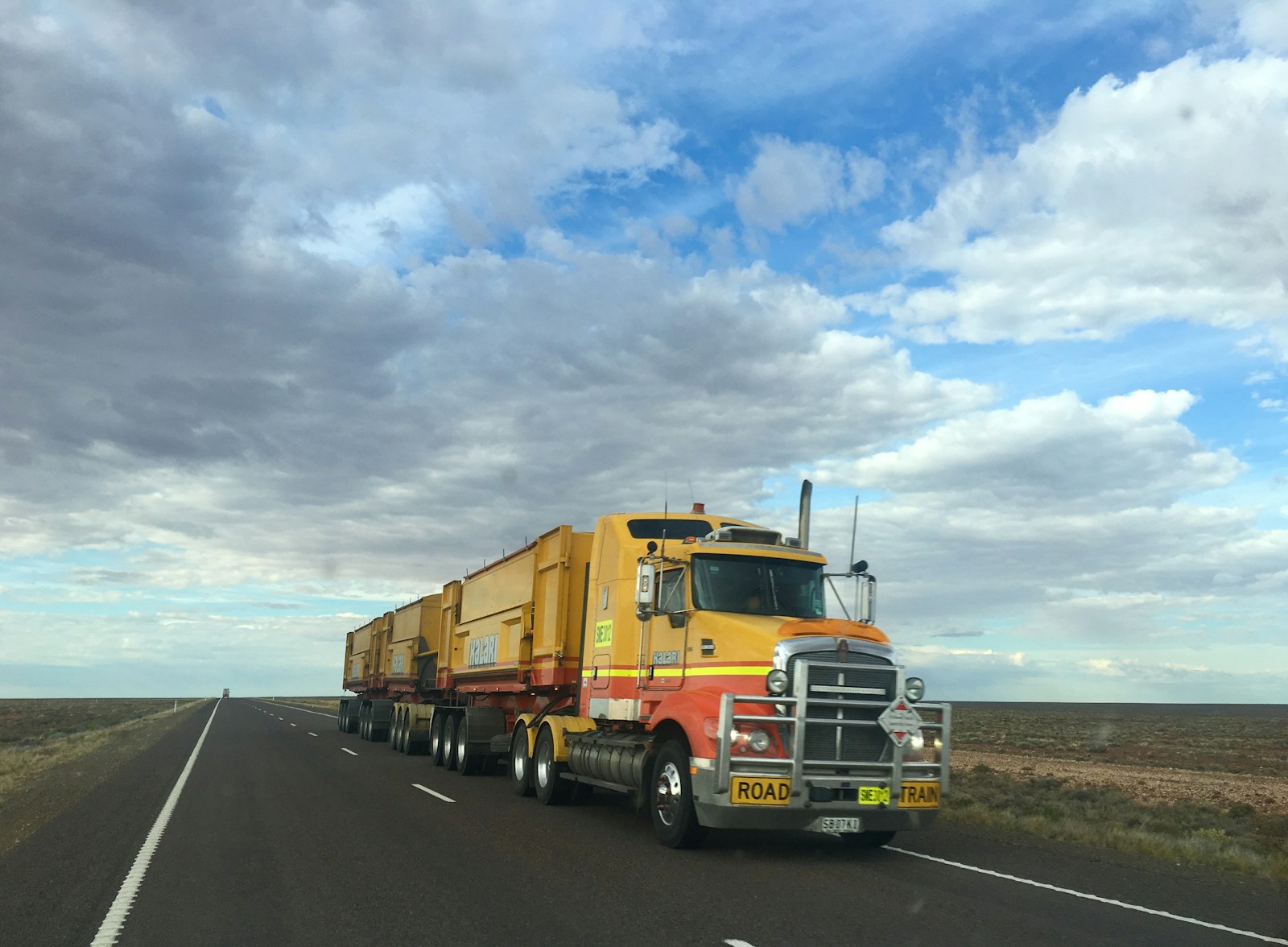
When a heavy‑duty truck tackles a 12‑percent incline day after day, the brake system becomes the most expensive part of the operation. Heat builds faster than the cooling fins can shed it, and every missed temperature spike shows up as spent downtime or a blown drum.
That same scenario flips the cost equation the moment a crew has to pull the vehicle off the road for an unscheduled service. Lost productivity, emergency brake parts, and a safety audit can easily eclipse the price of a properly sized brake package.
Can conventional drum brakes survive a 15% grade?
Most OEM drum kits carry a thermal rating that peaks around 400 °F. Anything above that threshold forces the friction material to glaze, turning the drum into a slick disc that locks on the first wet patch.
Pushing beyond that envelope forces the lining to glaze, and the wheel then locks on the first wet patch. The result is a sudden loss of control that insurance adjusters love to cite in their loss‑prevention bulletins.
Are air‑over‑hydraulic systems worth the extra $k?
Air‑over‑hydraulic assemblies add a pressure‑boost stage that delays fade by roughly 20 %. The extra chamber acts like a shock absorber for hydraulic pressure, keeping the pedal firm on long descents.
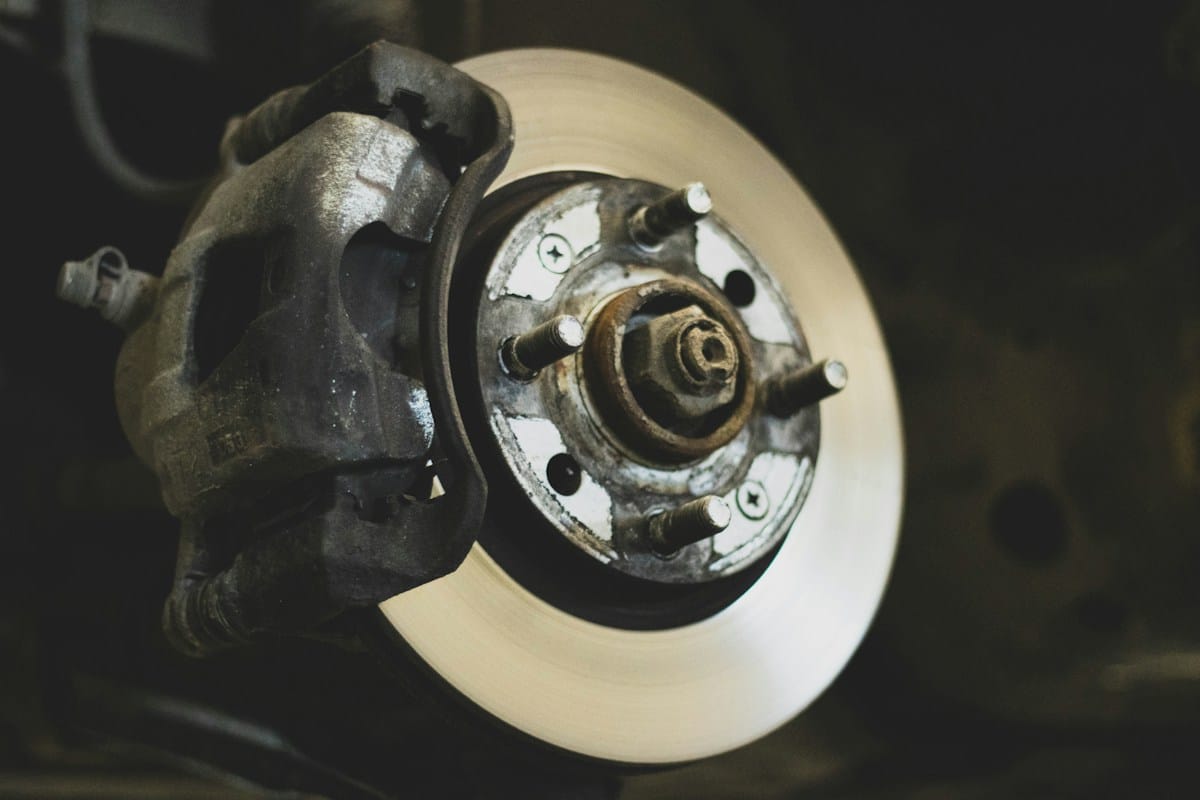
The trade‑off shows up in a service interval that stretches from 75 000 to 100 000 mi, but the upfront price tag climbs into the low‑to‑mid five‑figure range. Fleet managers who ignore that upfront hit often end up paying for premature hose replacements.
Do engine‑retarding retarders replace the need for bigger brakes?
Retarders convert kinetic energy into heat inside a sealed housing, sparing the service brakes from the worst cycles. Because the retarder draws power directly from the engine, fuel consumption can drop 3–5 % on a typical hill‑run, yet the unit itself costs between $8,000 and $15,000.
When the retarder is sized correctly, the service brakes see only 30–40 % of the heat they would otherwise generate, extending pad life by months on a busy job site.
What does a proper brake cooling package look like?
Vented drums paired with finned rotors create a convection path that shaves 30 °F off the peak temperature. The vents allow air to rush through the drum interior while the fins increase surface area for heat exchange.
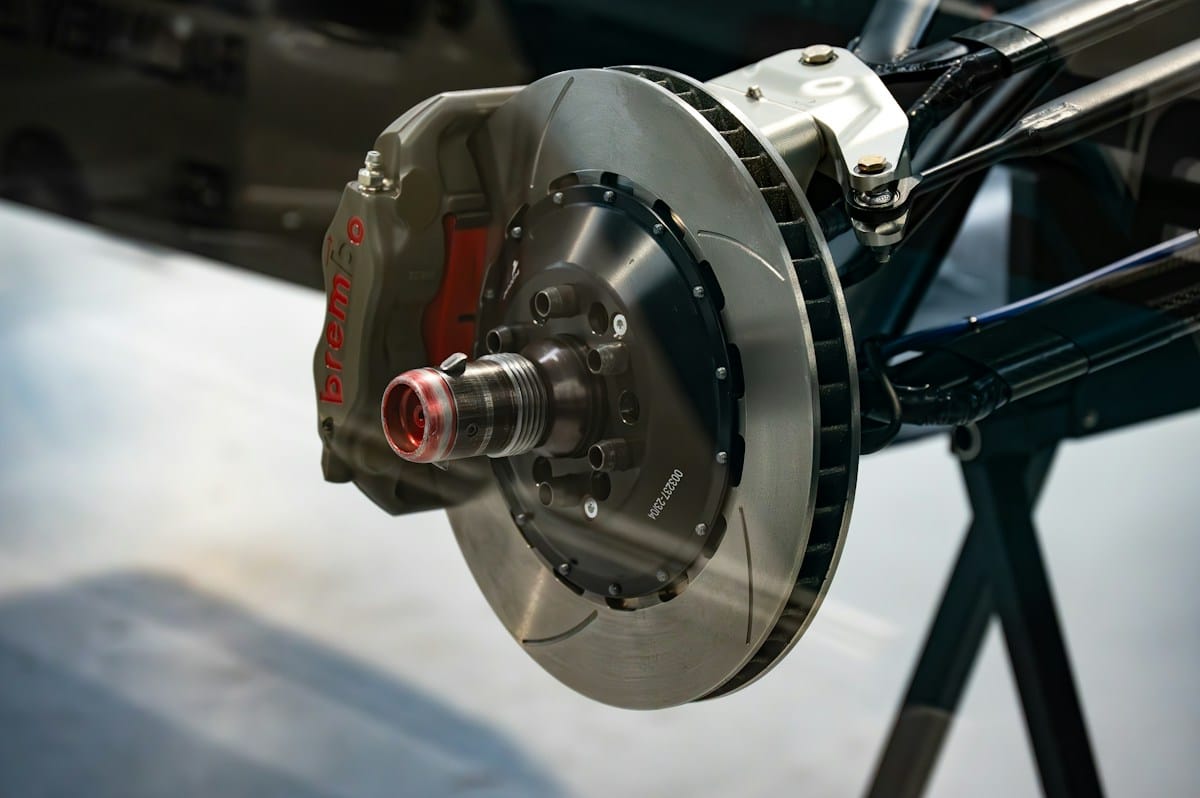
Installing a forward‑facing shroud adds another 10 % of airflow, but the kit runs $1,500 to $3,000 per axle. The extra hardware is a small fraction of the cost saved by avoiding a cracked drum in the middle of a project.
How to size the parking brake for hill‑hold safety?
Spring‑applied, air‑released park brakes deliver a holding force measured in thousands of pounds, which is the metric crews actually feel when the truck rests on a slope. The spring tension holds the drum regardless of air pressure, giving a fail‑safe lock.
If the parking brake is undersized, the chassis can roll forward within seconds of air loss, a scenario that insurance carriers flag as a preventable claim. Selecting a unit rated for at least 1.5 times the vehicle’s loaded weight eliminates that risk.
Action steps: budgeting and spec checklist
Log the steepest grade at each site, then match the expected cargo weight to the brake torque curve found in the OEM data sheet. Use that pairing to spot any shortfall before you start the spec process.
Apply a 20 % safety buffer, pick a retarder for grades over 10 %, and budget $2,000‑$4,000 per axle for cooling. The full package for a 6×4 vocational truck usually lands between $25,000 and $45,000.
Double‑check before you sign the purchase order
Confirm the drum or rotor you chose meets the thermal rating from your earlier matrix, and verify the warranty covers heat‑related cracking for at least a year. A warranty that ends after six months offers little protection on a hill‑heavy fleet.
Request a test report showing brake fade on a simulated 15 % grade, and match the serial numbers on the order to the factory test plate before any payment. Those two checks catch mismatched parts before they ever see a job site.
Keep reading

Shift 10% of Load to Rear Axles and Add 3‑5k Miles to Tire Life
You’ll learn how to balance axle loads on rough terrain so your tires last longer and downtime drops. Most advice glosses over real‑world weight shifts and ends up costing you spare tires and repair time.